



UPI

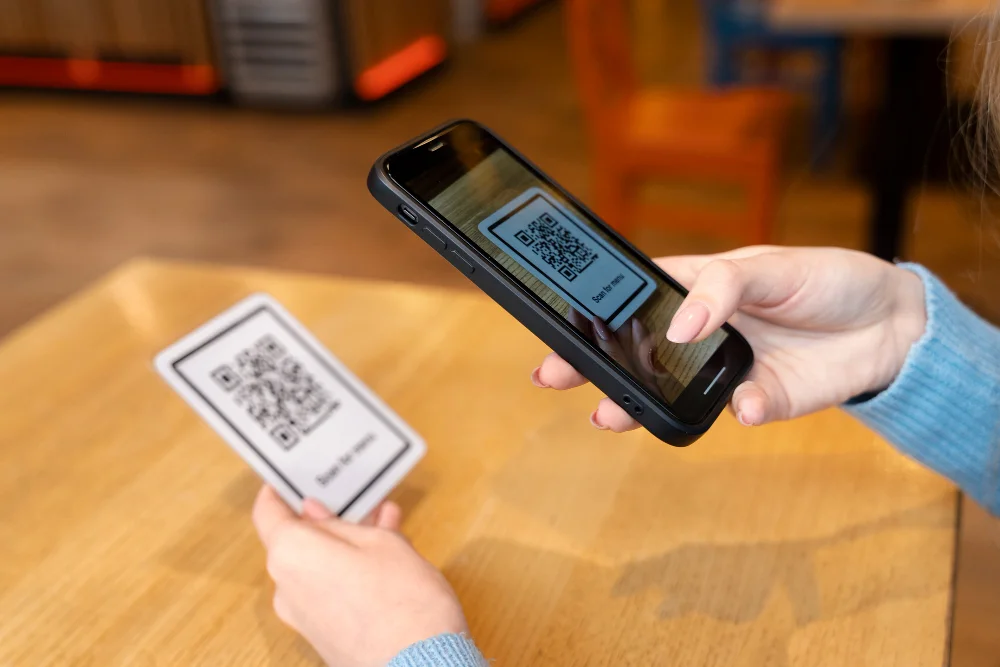
UPI has made sending and receiving money incredibly simple. Whether you are paying a friend, shopping online, or transferring money to a merchant, every UPI transaction generates a unique reference number in the background.
This number, often called a UPI Reference Number or UTR (Unique Transaction Reference) number, works like a digital receipt for your payment. It helps users track transactions, confirm successful payments, and resolve issues if a payment gets delayed or fails. Knowing where to find this number can be extremely useful, especially during payment disputes or refund requests.
What is a UPI Reference Number?
A UPI reference number is a unique 12-digit number generated for every UPI transaction. It helps banks and payment apps identify a specific payment and makes it easier to track transaction status.
For example, if you send ₹2,000 to someone using Google Pay or PhonePe, the transaction will generate a unique reference number such as 231456789012. This number can later help you confirm the payment or raise a complaint if the money gets debited but the transaction does not go through properly.
How to Find UPI Reference ID?
You can easily find your UPI reference ID (UTR number) in your payment app by following these simple steps:
Steps to find UPI Reference ID:
Open your UPI app like Google Pay, PhonePe, or Paytm
Go to Transaction History or Passbook
Select the payment you want to check
Open the transaction details
Look for UPI Reference ID / UTR number
Where else you can find it:
In your SMS from the bank
In your bank statement
In email confirmations (if enabled)
How to Track the UPI Reference Number in Different Apps
Most users will only notice the amount transacted and whether it is “Success” or “Failed”, but by locating the UPI Reference Number, you can more easily manage disputes and confirmations. Here’s how to find the UPI Reference Number in some of the common apps:
Google Pay (GPay)
Step 1: Open the GPay app and go to “Transactions.”
Step 2: Select the specific payment.
Step 3: Scroll down to “Transaction Details.”
Step 4: Look for the UPI Reference Number or “Bank Reference Number.”
PhonePe
Step 1: Open the PhonePe app and tap on “History.”
Step 2: Choose the transaction in question.
Step 3: Under “Payment Details,” you will see a Reference Number (sometimes called “RRN”).
Paytm
Step 1: Open Paytm and tap on “Passbook” or “UPI Transactions.”
Step 2: Select the transaction.
Step 3: Under “Transaction Details,” you’ll find the Reference Number (often listed as “UPI Ref No.”).
Benefits of UPI Reference Number
Helps Track Payments Easily: If you make multiple UPI payments in a day, the reference number helps identify the exact transaction without confusion.
Useful During Failed Transactions: If money gets debited but the receiver does not get it, banks and customer support teams often ask for the UPI reference number to investigate the issue.
Works as Payment Proof: The reference number acts like a digital proof that the transaction was initiated successfully.
Makes Refund Tracking Simpler: For refunds, reversals, or pending transactions, the reference number helps banks trace the payment faster.
Why Use Freo for UPI Transactions?
Freo helps simplify digital payments with a smooth and user-friendly experience. Whether you are making everyday UPI payments, managing finances, or tracking transactions, Freo offers a secure and convenient platform designed to make digital banking easier and more reliable for users.
Track Every UPI Payment Easily
Make secure UPI transactions, check reference numbers instantly, and manage payments smoothly with Freo

Frequently Asked Questions about UPI Reference Number
What is a UPI reference number?
A UPI reference number is a unique number generated for every UPI transaction to help track and verify payments. It is also called a UTR (Unique Transaction Reference) number in many apps.
Is UPI reference number and UTR number the same?
Yes, in most UPI apps, the UPI reference number and UTR number are the same and are used interchangeably for transaction tracking.
How many digits are there in a UPI reference number?
A UPI reference number is usually a 12 to 15-digit numeric code generated automatically for each transaction.
Where can I find my UPI reference number?
You can find it in the transaction details section of apps like Google Pay, PhonePe, Paytm, BHIM, or in your bank SMS alerts.
Can I track a UPI transaction using the reference number?
Yes, the UPI reference number helps banks and payment apps track the status of a transaction and resolve failed or delayed payments.
Is the UPI reference number unique?
Yes, every UPI transaction gets a unique reference number to avoid confusion between payments.
What should I do if my UPI payment fails?
You can use the UPI reference number while contacting your bank or payment app support to raise a complaint or track the refund status.
Is it safe to share a UPI reference number?
Generally, sharing only the UPI reference number is considered safe for payment verification, but you should avoid sharing sensitive banking details like OTPs or UPI PINs.
Why is the UPI reference number important?
It acts as proof of payment and helps users, banks, and merchants identify and verify transactions quickly.
Can two UPI transactions have the same reference number?
No, every UPI transaction receives a different reference number generated uniquely by the system.
Naina Rajgopalan
Naina Rajgopalan has a thing for numbers and a deep fascination to learn about all things finance. She's been money-wise from a young age and has always shared her knowledge and tips with those around her. Being a part of the content team at Freo, a neobank that offers flexible and customised financial products, along with benefits such as insurance on balance, safe & secure banking, and so on, Naina stays updated with the latest of what happens in the banking and fintech industries. She has taken upon herself to share her knowledge with readers across all walks of life to help them manage their finances and budgets better, so they can make better decisions while spending, borrowing, investing and saving.