


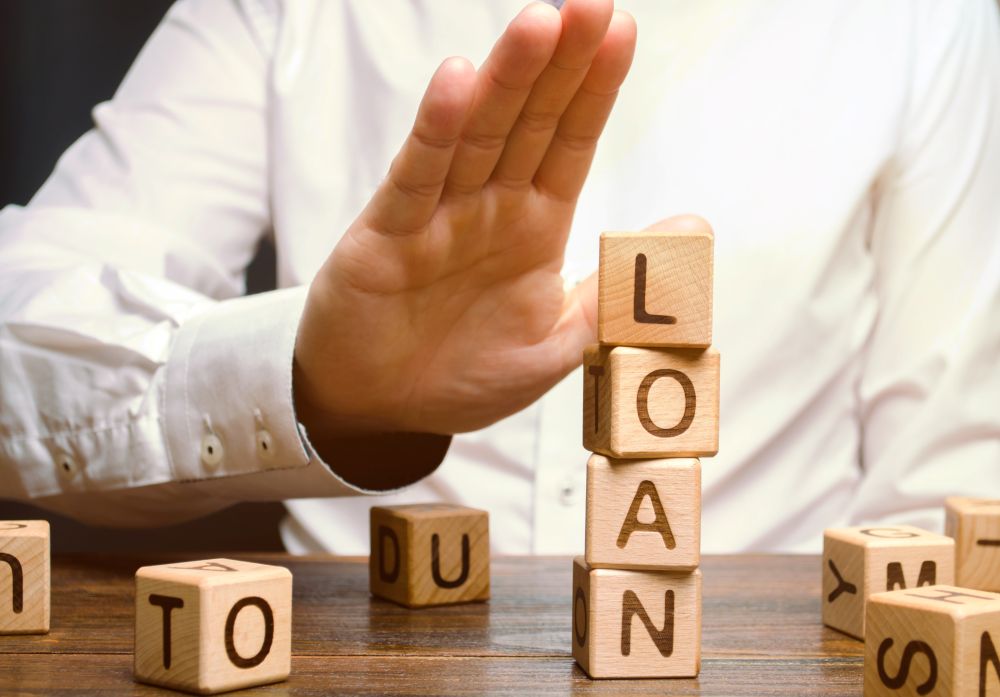
When you take a personal loan, one common question that comes up is whether closing it early is a smart move. You might be earning better now, or maybe you just want to clear your debt and feel lighter. But before you decide to foreclose your loan, there is one thing you naturally think about. Will this affect your CIBIL score?
In this blog, we will break it down in simple terms so you understand what really happens to your credit score when you close a personal loan before the original tenure ends.
What Does Foreclosure of a Loan Mean?
Foreclosure of a loan means paying off your entire outstanding loan amount before the original repayment tenure ends. Instead of continuing with monthly EMIs, you close the loan early by clearing the remaining principal and any applicable foreclosure charges.
Many borrowers choose this option when they have extra funds or want to reduce interest outgo. Once the loan is foreclosed, the lender marks it as closed in your credit report and you are no longer liable to make further payments.
How Does Foreclosure Affect My CIBIL?
This is how foreclosing your loan can affect your CIBIL score:
Positive Impact
1. Reduction in Debt Burden
When you foreclose a loan, your total outstanding debt reduces immediately. This improves your credit utilisation ratio and shows lenders that you are financially capable of managing repayments responsibly.
2. Elimination of Loan Liability
Once the loan is fully repaid, you are no longer responsible for EMIs. This shows that you have cleared your obligations and can reflect responsible repayment behaviour.
Negative Impact
1. Shorter Credit History
If you close a long-term loan early, your average credit history may reduce. A longer credit history generally supports a stronger credit score, so shortening it can have a slight impact.
2. Missed Opportunity to Build Credit
Regular EMI payments over time help build a solid repayment track record. By closing the loan early, you lose the chance to demonstrate consistent repayment behaviour for a longer period.
3. Impact on Credit Mix
Credit bureaus prefer a balanced mix of secured and unsecured loans. If foreclosure reduces the diversity in your credit profile, it may slightly affect your score depending on what other active credit accounts you have.
How to Decide if Foreclosing a Loan Is Right for You
Foreclosing a loan can feel like a big financial win. You clear your debt early and save on interest. But it is not always the right move for everyone. Before you take that step, you should pause and think through a few important factors.
1. Do You Have Sufficient Funds?
The first question is simple. Do you truly have extra money to close the loan without disturbing your safety net?
Before foreclosing, make sure you still have:
- An emergency fund covering at least 6 months of expenses
- Enough liquidity for daily needs
- No dependency on future uncertain income
If closing the loan drains your savings completely, you might feel stress later. Financial stability is more important than finishing a loan early. Only consider foreclosure if it does not put pressure on your cash flow.
2. Have You Checked the Pre-Closure Charges?
Many banks and NBFCs charge a pre-closure or foreclosure fee. This can range from a small percentage to a fixed penalty amount.
Before making a decision, check:
- The exact pre-closure charges
- Whether there are any hidden processing fees
- If the charges reduce after a certain tenure
Sometimes the penalty amount cancels out a part of your interest savings. In such cases, it may not make financial sense to close the loan early. Always calculate the total benefit before proceeding.
3. Will Pre-Closure Impact Your Other Financial Goals?
Foreclosing a loan may sound attractive, but you should think about your other priorities too.
Ask yourself:
- Are you saving for a house, business, or higher education?
- Do you have investments that could give better returns than your loan interest rate?
- Will using this money reduce your ability to invest elsewhere?
For example, if your loan interest rate is 10 percent but your investments are generating 12 to 15 percent returns, it may be smarter to continue investing rather than foreclose. Your decision should support your long-term financial plan, not just give short-term satisfaction.
Tips to Minimise the Negative Impact of Pre-Closure
If you decide to go ahead with foreclosure, you should do it carefully. These steps can help you reduce financial stress and avoid mistakes.
1. Plan Ahead
Do not take a sudden decision. Create a simple repayment plan and check how much interest you will save. Compare this with the penalty charges.
Also ensure your emergency fund remains untouched. Planning ahead reduces the chances of regret later.
2. Choose the Right Time to Pre-Close
The timing of foreclosure matters. In most loans, the interest component is higher during the early years. If you are in the initial phase of your loan, foreclosure may save you more interest.
However, if you are near the end of your tenure, most of the interest may already be paid. In that case, the benefit may be limited. Choose a time when your savings are maximum and penalties are minimal.
3. Keep Other Credit Accounts Active
Closing a loan early is generally positive for your credit profile. However, if it is your only active loan or credit account, your credit mix may reduce.
To maintain a healthy credit profile:
- Keep at least one active credit product such as a credit card
- Continue timely payments
- Avoid taking unnecessary new loans immediately
This helps maintain a stable credit score even after foreclosure.
4. Plan Your Financial Strategy in Advance
Foreclosure should not be an emotional decision. It should be part of a broader financial strategy.
Think about:
- Tax implications if applicable
- Investment opportunities you might miss
- Future borrowing needs
If needed, speak to a financial advisor and calculate different scenarios. A clear strategy ensures that your decision strengthens your financial position instead of creating gaps.
Closing Thoughts
Foreclosing a loan can bring peace of mind and reduce long-term interest costs. But it only works when done at the right time and with proper planning. Before you close your loan, make sure your savings, goals, and credit profile remain stable. A well-thought-out decision will always serve you better than a rushed one.