


Credit & Debt Management

Published on:
Last Updated:
Your CIBIL score may not seem important until you need a loan or credit card. When you apply for credit, lenders can look at your credit history and score to understand how you have handled borrowing in the past.
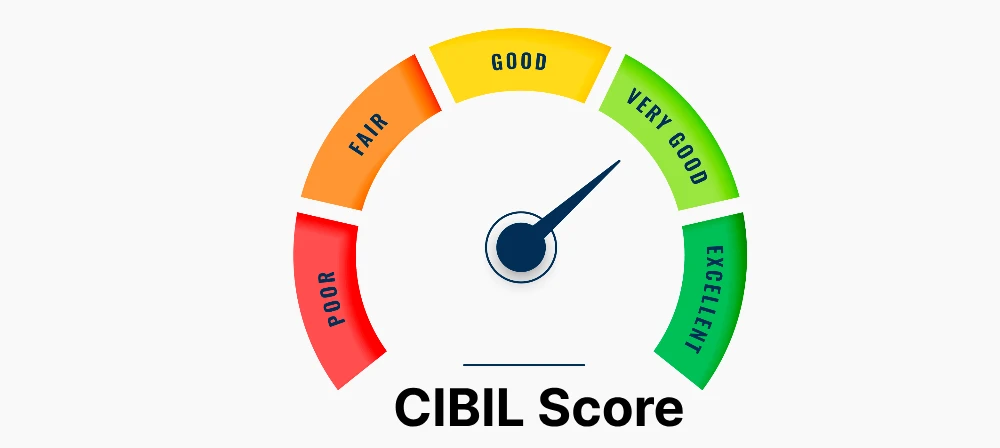
A CIBIL score is a three-digit number ranging from 300 to 900. It is based on information in your credit history and gives lenders an indication of your credit behaviour and credit risk.
A higher score generally indicates a stronger credit profile. But your score is only one part of a lender's decision. Your income, existing debt, repayment capacity and the lender's own eligibility criteria can also affect whether your application is approved and what terms you receive.
So, why is CIBIL score important?
Let's look at what it can actually affect.
What Is a CIBIL Score?
A CIBIL score is a three-digit summary of your credit history. It ranges from 300 to 900, with a higher score generally indicating lower credit risk.
The score is generated using information reported to TransUnion CIBIL by credit institutions. This can include details about your loans, credit cards, repayment behaviour and credit enquiries.
In simple terms, your CIBIL score gives a lender a quick idea of how you have managed credit in the past.
If you want to understand how the score itself is calculated, read our guide on what is a CIBIL score.
What Is a Good CIBIL Score?
There is no single score that guarantees loan approval. However, a score above 750 has traditionally been considered a good score in CIBIL's consumer guidance.
TransUnion CIBIL's more recent scoring framework also groups scores into different risk bands, with scores of 731 and above falling into its "Prime" and higher categories.
CIBIL Score | General indication |
|---|---|
791–900 | Super Prime |
771–790 | Prime Plus |
731–770 | Prime |
681–730 | Near Prime |
300–680 | Subprime |
These ranges are useful for understanding your credit profile, but lenders may use their own credit policies and eligibility criteria.
Why Is CIBIL Score Important?
Your CIBIL score matters because it can influence how a lender views your application when you apply for new credit.
Your CIBIL score matters because it can influence how a lender views your application when you apply for new credit.
Here are the main reasons it is worth keeping an eye on:
It Helps Lenders Assess Your Creditworthiness
When you apply for a loan, the lender wants to know one basic thing: how likely are you to repay the money on time?
Your CIBIL score gives the lender a quick view of your past credit behaviour. A stronger score can indicate a history of responsible repayment, while a lower score may lead the lender to assess your application more carefully.
However, your score does not tell the lender everything about your finances. It is considered alongside other information during the credit assessment.
It Can Affect Your Chances of Getting a Loan or Credit Card
Lenders may consider your CIBIL score when assessing applications for products such as:
Personal loans
Home loans
Car loans
Credit cards
Other forms of credit
A healthy credit profile can strengthen your application. A lower score may make it harder to qualify with some lenders, depending on their eligibility criteria.
That does not mean a particular score automatically guarantees approval or rejection. The final decision rests with the lender.
It May Influence the Interest Rate You Are Offered
Your credit profile can also play a role in the interest rate offered by a lender.
A borrower with a stronger credit history may be viewed as lower risk and could receive more competitive terms. A weaker credit profile may result in fewer options or less favourable terms, depending on the lender and product.
However, CIBIL score is not the only factor that determines your interest rate. Income, loan amount, tenure, existing obligations and the lender's pricing policy can also matter.
So, when comparing loans, don't look at your CIBIL score or the advertised interest rate in isolation. Check the complete cost of borrowing.
It Can Form Part of the Assessment for Your Credit Limit or Loan Amount
Your CIBIL score can be one of the factors a lender considers when deciding how much credit it is comfortable offering you.
For example, when assessing a personal loan or credit card application, the lender may consider your credit history along with:
Income
Existing EMIs and debt
Repayment capacity
Employment or business profile
Loan amount requested
Internal lending policies
A strong CIBIL score may support your application, but it does not automatically mean you will receive a higher loan amount or credit limit.
It Can Give You More Choice When You Need Credit
A healthy credit profile can put you in a better position when comparing credit offers.
Instead of applying everywhere and accepting the first offer available, you may have more scope to compare factors such as:
Interest rate
Processing fee
Loan tenure
EMI
Prepayment terms
Total repayment amount
This is one reason maintaining your credit profile is useful even when you don't currently need a loan.
Does a 750+ CIBIL Score Guarantee Loan Approval?
No.
A CIBIL score of 750 or above can be a positive sign, but it does not guarantee approval.
Lenders can consider several other factors, including:
Your income
Existing loans and EMIs
Debt obligations
Repayment capacity
Employment or business stability
Loan amount requested
Loan tenure
Lender-specific eligibility criteria
What Can Affect Your CIBIL Score?
Your credit behaviour over time can influence your score. Some of the important factors include repayment history, credit utilisation, the type and age of your credit accounts and recent credit enquiries.
For example, repeatedly missing loan or credit card payments can hurt your credit profile, while responsible repayment can help you maintain it.
What If You Don't Have a CIBIL Score?
Having no CIBIL score is not the same as having a low score.
If you have never used credit or don't have enough eligible credit information, your credit report may show NH or NA instead of a conventional score.
This simply means there may not be enough information to generate a regular score.
If you're new to credit, lenders may therefore consider other factors when assessing your application.
How Can You Maintain a Healthy CIBIL Score?
You don't need complicated strategies to maintain a healthy credit profile. Focus on a few basic habits:
Pay EMIs and credit card bills on time.
Keep your credit usage under control.
Avoid applying for several credit products within a short period.
Review your credit report periodically.
Check for unfamiliar accounts or incorrect information.
Borrow only what you can comfortably repay.
Regular monitoring is becoming more common among Indian consumers. TransUnion CIBIL reported that 183 million Indians were self-monitoring their CIBIL Score as of December 2025, and nearly 45% of monitoring consumers improved their score within six months.
If you find an error in your credit report, it is worth getting it corrected rather than simply ignoring it. TransUnion CIBIL provides a process for raising disputes regarding inaccuracies in credit reports.
Why Should You Check Your CIBIL Report?
Your score tells you where you stand, but your credit report tells you why.
A credit report can contain information about your credit accounts, repayment history and enquiries. Reviewing it can help you spot:
Incorrect personal information
Accounts you don't recognise
Incorrect payment information
Outdated account status
Unfamiliar credit enquiries
Conclusion
Your CIBIL score is important because it gives lenders an indication of how you have handled credit in the past. It can form part of the assessment for loans and credit cards and may influence the terms you are offered.
But it is not the only thing lenders look at.
Your income, existing debt, repayment capacity and the lender's own policies can all affect the final decision.
The best approach is to treat your CIBIL score as part of your overall financial health. Pay your dues on time, avoid taking on more debt than you can manage and check your credit report regularly.
A good credit score cannot guarantee approval, but a healthy credit profile can put you in a stronger position when you need credit.
Unlock a World of Financial Benefits
A great CIBIL score is more than just a number-it's your key to financial freedom. Start building a stronger profile today with a Freo credit line that grows with you, offering the flexibility and rewards you deserve.

FAQs
Is 750 a good CIBIL score?
Yes. A score above 750 has traditionally been considered good in CIBIL's consumer guidance. However, no score guarantees loan or credit card approval.
Does a good CIBIL score guarantee loan approval?
No. Lenders can also consider your income, existing debt, repayment capacity, employment or business profile and their own eligibility criteria.
Can I get a loan with a low CIBIL score?
It may still be possible, depending on the lender and your overall financial profile. However, your options may be more limited or the terms offered may be less favorable.
Does checking my own CIBIL score reduce it?
Checking your own CIBIL score is different from a lender making a credit enquiry when you apply for credit. Monitoring your own score should not be treated as the same thing as making multiple loan applications.
Can different credit bureaus show different credit scores?
Yes. India has multiple credit information companies, and the scores generated by different bureaus can differ because they may use different scoring models and available credit information.
How often should I check my CIBIL report?
There is no need to check it every day. Reviewing it periodically can help you identify errors or unfamiliar activity. It is also useful to check your report before applying for an important loan or credit product.
Can missed credit card payments affect my CIBIL score?
Yes. Payment behaviour is an important part of your credit profile. Missed or delayed payments can negatively affect your credit history and score.
Can having no credit history affect my CIBIL score?
If you don't have enough eligible credit information, you may not have a conventional CIBIL score. Your report may show NH or NA instead. This is different from having a low score.
Does a high CIBIL score mean I can get a higher loan amount?
Not necessarily. A high score can strengthen your credit profile, but lenders can also consider your income, existing obligations, repayment capacity, requested amount and their internal lending criteria.
Does CIBIL score affect credit card approval?
It can. Lenders may consider your CIBIL score as part of their credit assessment, along with income, existing obligations and other eligibility requirements. A good score can strengthen your application but does not guarantee approval.
Can I improve my CIBIL score?
Yes, responsible credit behavior over time can help improve your credit profile. Paying dues on time, managing credit usage and avoiding unnecessary credit applications are some of the basic habits that can help.
Naina Rajgopalan
Naina Rajgopalan has a thing for numbers and a deep fascination to learn about all things finance. She's been money-wise from a young age and has always shared her knowledge and tips with those around her. Being a part of the content team at Freo, a neobank that offers flexible and customised financial products, along with benefits such as insurance on balance, safe & secure banking, and so on, Naina stays updated with the latest of what happens in the banking and fintech industries. She has taken upon herself to share her knowledge with readers across all walks of life to help them manage their finances and budgets better, so they can make better decisions while spending, borrowing, investing and saving.