



insurance

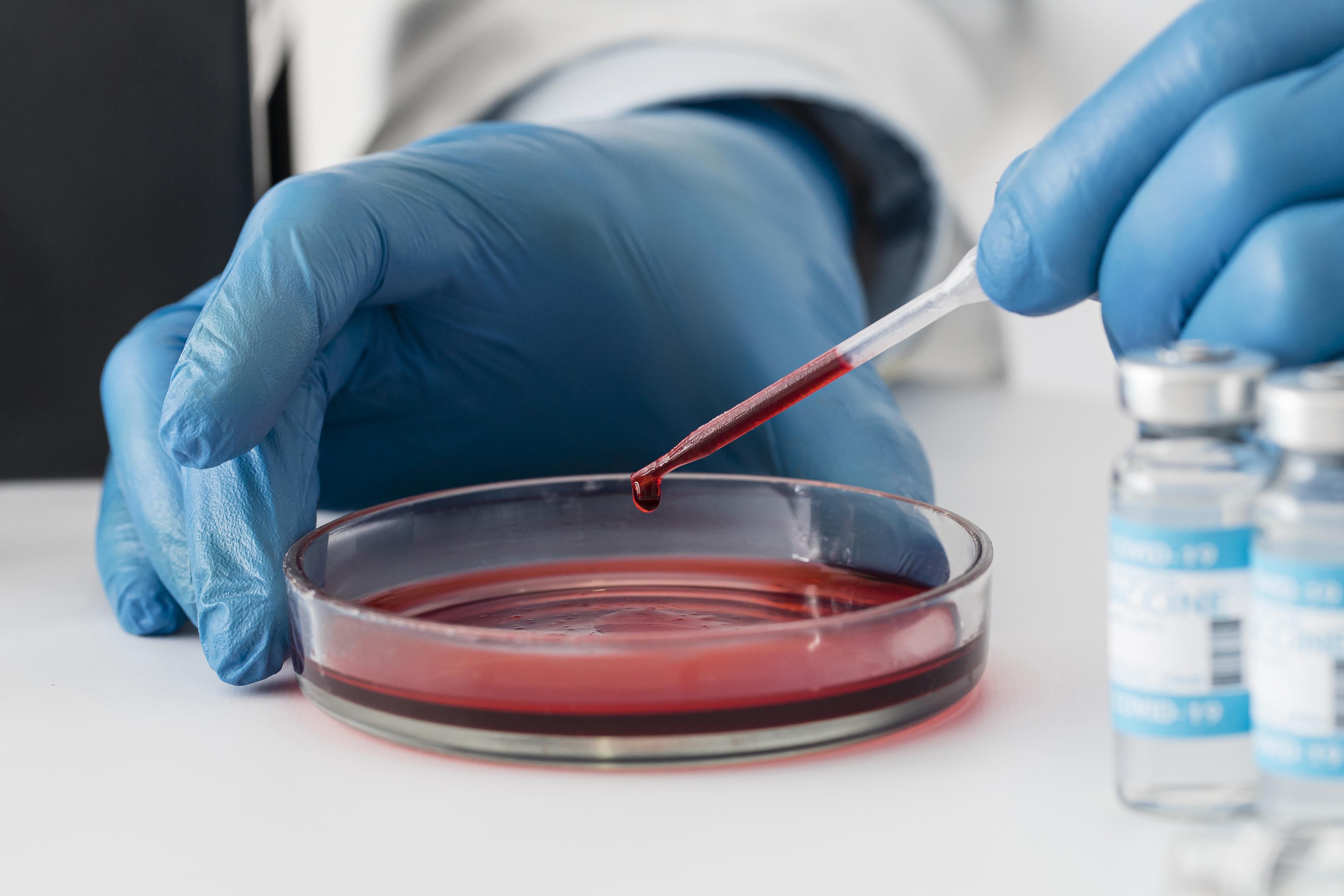
If you or someone close to you has been diagnosed with blood cancer, one of the first questions that naturally comes up is about treatment costs. The emotional weight is already heavy, and trying to figure out the financial side can feel overwhelming. In India, treatment for blood cancer can vary widely depending on the type of cancer, the stage, the hospital you choose, and the kind of therapies involved. This blog will walk you through what to expect when it comes to the cost of treating blood cancer in India, with real numbers, practical breakdowns, and tips to help you plan better. Let's get started.
What Are Realistic National Ranges for Blood Cancer Treatment Cost in India?
If you or someone in your family is dealing with blood cancer, it’s important to get a clear sense of what treatment might actually cost across different types of hospitals in India. Here's a straightforward breakdown.
Treatment Setting | Typical Total Cost Range | What the Cost Usually Covers |
|---|---|---|
Private / Corporate Hospitals (Metro cities like Mumbai, Delhi, Bengaluru) | ₹8 to ₹25 lakh for chemotherapy-based treatment ₹30 lakh or more if stem cell or bone marrow transplant is required |
|
Government Hospitals and Regional Cancer Centres (AIIMS, Tata Memorial, RCCs, State Cancer Institutes) | ₹3 to ₹5 lakh for subsidised treatment ₹10 to ₹15 lakh if transplant is required, depending on eligibility and schemes |
|
Private Hospital Costs
In large private hospitals, a complete course of treatment for blood cancers like leukaemia, lymphoma, or myeloma can start at around ₹8–10 lakh. This is usually for simpler treatment plans that do not involve transplants. If you need more advanced care, such as intensive chemotherapy, targeted drugs, or a stem cell or bone marrow transplant, the cost can easily rise to ₹20–25 lakh or more. Metro cities like Mumbai, Delhi, Bengaluru, and Hyderabad tend to be at the higher end of this range.
Government and Teaching Hospitals
If you're treated at places like AIIMS, Tata Memorial, or a regional cancer centre, the costs are usually lower. Many basic protocols can be managed between ₹3–5 lakh, especially when subsidised beds and medications are available. However, if you require advanced therapies or a transplant, it could still reach ₹10–15 lakh. Do keep in mind that there might be longer waiting times.
Chemotherapy Per-Cycle Costs
For outpatient chemotherapy:
Private hospitals may charge around ₹35,000 to ₹1,00,000 per cycle.
Semi-private or government hospitals may offer the same cycle at ₹12,000 to ₹35,000 or even less, depending on the drugs used.
How the Total Bill Adds Up
Here's how most of the total treatment cost breaks down:
Direct Treatment (60% to 75%): This includes chemotherapy, radiation, targeted therapy, immunotherapy, and transplants. A multi-cycle chemotherapy plan might cost ₹3–6 lakh. A stem cell transplant alone can cost anywhere from ₹9 to ₹25 lakh in a private hospital.
Diagnostics and Monitoring (10% to 20%): This covers blood tests, bone marrow biopsies, molecular tests, and imaging like CT, MRI, or PET-CT scans. Over time, this can add up to ₹50,000 to ₹1,00,000 or more.
Hospital Stay and ICU (10% to 25%): Room charges in private hospitals vary a lot. General ward beds might cost ₹5,000 to ₹10,000 per day, while ICU or private room stays can go up to ₹20,000 to ₹50,000 per day during critical phases. Government centres can bring this down significantly with subsidised care.
Other Hidden or Ongoing Costs
Apart from treatment and hospital bills, families should plan for:
Long-term medications and follow-ups: Monthly costs can range from ₹3,000 to ₹10,000 for things like oral chemo drugs, antibiotics, and supportive injections. Specialist follow-up visits might cost ₹1,500 to ₹5,000 per appointment.
Unexpected hospitalisations: Emergency situations like infections, transfusions, or ICU care can come out of nowhere and cost anywhere between ₹20,000 and ₹2 lakh or more, depending on the complication.
Non-medical expenses: Travel to cities for treatment, stay for caregivers, food, loss of work income, and home care support can add ₹50,000 to ₹1,00,000 or more over time. This is why families often need to combine insurance, government schemes, and personal loans to manage the full financial load.
Type of Blood Cancer With Their Treatment Costs
Leukaemia
Leukaemia starts in the bone marrow and leads to the fast growth of abnormal blood cells. These cells affect the body’s ability to fight infections and carry oxygen.
There are different types of leukaemia, with Acute Lymphoblastic Leukaemia (ALL) and Acute Myeloid Leukaemia (AML) being the most common. Treatment usually involves multiple rounds of chemotherapy, radiation therapy, and in some cases, a bone marrow transplant. The approach depends on the exact type, how far the cancer has spread, the patient’s age, and overall health.
Estimated cost: ₹5 to ₹20 lakhs depending on the hospital, location, and duration of treatment.
Lymphoma
Lymphoma is a blood cancer that develops in the lymphatic system, which plays a big role in fighting infections. There are two major types: Hodgkin’s lymphoma and non-Hodgkin’s lymphoma.
Treating lymphoma usually requires chemotherapy, targeted drug therapies, and sometimes radiation. Doctors might also suggest immunotherapy based on how the cancer behaves.
Estimated cost: ₹5 to ₹20 lakhs. The final cost depends on how many chemo sessions are needed, whether hospitalisation is required, and which hospital or treatment plan is chosen.
Multiple Myeloma
Multiple myeloma is a rare form of blood cancer that affects plasma cells, which are a type of white blood cell. These cells normally help fight infections, but in this disease, they become cancerous and multiply uncontrollably.
Treatment usually involves chemotherapy, immunotherapy, and sometimes an autologous stem cell transplant, where the patient’s own stem cells are used to rebuild healthy bone marrow.
Estimated cost: ₹7 to ₹30 lakhs. The exact amount varies based on how advanced the disease is and which treatments are selected.
Blood Cancer Treatment Cost by Treatment Type in India
The cost of blood cancer treatment in India depends mainly on the type of treatment advised by the doctor. Here’s a breakdown of the costs depending on the treatment type which gets recommended:
Treatment Type | Typical Unit | Cost Range in India (₹) | Explanation |
|---|---|---|---|
Chemotherapy | Per cycle | ₹10,000 to ₹2,00,000 | The cost depends on the medicines used, dosage, number of drugs in each cycle, and whether the treatment is first line or later line therapy. Targeted chemo drugs usually cost more. |
Radiation Therapy | Per treatment course | ₹1,50,000 to ₹3,00,000 | Pricing depends on the radiation technique, machine type, and number of sessions required. Advanced radiation methods tend to increase the total cost. |
Stem Cell Transplant (BMT) | Per transplant | ₹15,00,000 to ₹30,00,000 | This is a common cost range in India for standard cases. Autologous transplants usually cost less than allogeneic transplants. |
Stem Cell Transplant (Wider Market Range) | Per transplant | ₹20,00,000 to ₹50,00,000 | Costs may rise in premium hospitals or for complex allogeneic transplants involving matched donors and longer hospital stays. |
Targeted Therapy | Per month or per cycle | ₹20,000 to ₹2.5 Lakhs (or more) per month | The cost depends on the specific drug, brand, treatment duration, and whether it is an oral or injectable therapy. Always check brand specific pricing. |
Immunotherapy | Per infusion | ₹1.5 to ₹8 Lakhs per cycle | Pricing differs based on the immunotherapy agent used and the number of infusions required. Treatment schedules must be confirmed with the oncologist. |
How Do Costs Change by City and Hospital Type?
If you're exploring blood cancer treatment in India, one thing becomes clear quickly: where you get treated matters a lot. The costs can vary widely depending on the city you're in and the type of hospital you choose. Let’s take a detailed look at how it works.
Metro vs Tier-1 vs Tier-2 Cities
In metro cities like Delhi, Mumbai, and Bengaluru, treatment costs are usually the highest. This is because these hospitals have the latest infrastructure, more specialists, and higher day-to-day operating costs. Expect to pay 20 to 50 percent more here than in smaller cities.
In Tier-1 cities such as Hyderabad, Chennai, Pune, and Ahmedabad, you often get access to similar quality care at 10 to 30 percent lower prices than metros. These cities strike a decent balance between cost and care quality.
Tier-2 cities like Surat, Kolhapur, and Coimbatore can bring down your expenses by 30 to 50 percent, mainly because of lower room charges, less expensive diagnostics, and cheaper locally sourced medicines. However, these cities might not always have access to advanced treatments like CAR-T therapy, so that’s something to keep in mind.
Government vs Private vs Charitable/Teaching Hospitals
Your choice of hospital also affects how much you pay.
Government hospitals (like AIIMS or Tata Memorial) are by far the most affordable. They often charge 50 to 80 percent less than private hospitals. You’ll find subsidised medicines, low bed charges, and support from schemes like Ayushman Bharat. The downside is long wait times, overcrowded facilities, and sometimes limited access to complex procedures like bone marrow transplants or targeted therapies.
Private or corporate hospitals (such as Apollo or Fortis) are the most expensive. These hospitals provide top-notch care, quick access to specialists, and comfortable rooms. But that comes at a cost because treatment here can be two to five times more expensive than government hospitals. These are ideal for urgent cases if budget or insurance is not a concern.
Charitable or teaching hospitals (like Adyar Cancer Institute or Regional Cancer Centres) give you a middle path. They charge 20 to 60 percent less than private setups while still offering good-quality care backed by research. Some may ask for financial details before offering subsidised rates, and you may have to share rooms or wait longer.
Consultation and Testing Costs
Even things like seeing a doctor or getting tests done change depending on your city and hospital type.
Haematologist consultations cost as low as ₹200 to ₹800 in government hospitals. In private hospitals in metros, this can jump to ₹1,500 to ₹3,000, while in Tier-1 and Tier-2 cities, you might pay around ₹800 to ₹1,500.
PET-CT scans range from ₹12,000 to ₹40,000, depending on where you are. Metros usually charge the most.
Bone marrow biopsies typically cost ₹10,000 to ₹25,000, and complete diagnostic workups can fall anywhere between ₹50,000 to ₹1,00,000. Tier-2 cities often bring down imaging and lab costs by 20 to 30 percent, thanks to lower demand and overheads.
City and Hospital Wise Cost Ranges for Blood Cancer Treatment
City / Tier | Government or Charitable Hospitals | Private or Corporate Hospitals |
|---|---|---|
Mumbai (Metro) | ₹3 to ₹8 lakhs. Costs are lower due to subsidised treatment, but waiting periods can be long. | ₹10 to ₹25 lakhs. Higher costs reflect advanced treatment options, senior specialists, and shorter waiting times. |
Delhi (Metro) | ₹3 to ₹7 lakhs. Large public hospitals offer treatment at reduced rates, though patient load is high. | ₹10 to ₹22 lakhs. Private hospitals offer faster diagnosis, newer therapies, and more personalised care. |
Bengaluru (Metro) | ₹3 to ₹6 lakhs. Charitable centres and government hospitals provide relatively affordable care. | ₹8 to ₹20 lakhs. Pricing depends on hospital reputation, room category, and treatment complexity. |
Pune (Tier 1) | ₹3 to ₹6 lakhs. Costs are slightly lower than metros, with decent access to cancer specialists. | ₹7 to ₹15 lakhs. Private hospitals balance quality care with slightly lower prices than metro cities. |
Hyderabad (Tier 1) | ₹3 to ₹5 lakhs. Government hospitals offer structured oncology care at controlled costs. | ₹6 to ₹16 lakhs. Known for comparatively affordable private cancer treatment among Tier 1 cities. |
Chennai (Tier 1) | ₹3 to ₹5 lakhs. Many charitable institutions provide cancer care at reasonable rates. | ₹6 to ₹15 lakhs. Private hospitals are well known for treatment quality and cost transparency. |
Ahmedabad (Tier 1) | ₹3 to ₹6 lakhs. Public and trust hospitals play a major role in affordable cancer care. | ₹6 to ₹16 lakhs. Costs depend on hospital facilities and type of therapy used. |
Tier 2 Cities (Surat, Coimbatore, etc.) | ₹2 to ₹5 lakhs. Lower hospital charges and living costs help keep treatment affordable. | ₹4 to ₹12 lakhs. Limited access to advanced therapies may reduce overall costs. |
What Actually Drives the Bill (And How to Control It)
Blood cancer treatment costs in India mostly depend on the type and stage of cancer. Faster-growing cancers like acute leukaemia need advanced treatment with multiple drugs, which can cost around ₹5 to ₹15 lakhs. Slower cancers like indolent lymphomas need lighter treatments, costing about ₹3 to ₹8 lakhs. Advanced treatments increase the cost because they need more chemo rounds, expensive targeted medicines like imatinib (₹50k to ₹1 lakh per month), or even transplants that cost ₹10 to ₹25 lakhs. As mentioned earlier, the hospital you choose also affects the bill.
If there are problems like infections or low immunity (neutropenia), the costs can double. This is because of extra ICU stays (₹20k to ₹50k per day in private hospitals) and blood transfusions. So, it is smart to keep 20 to 30 percent extra money aside for such situations. Medicine costs are another big factor. Branded drugs can be 3 to 5 times more expensive than generic ones. For example, chemo drugs might cost ₹20k to ₹1 lakh per cycle if branded, but only ₹5k to ₹30k if generic. You can save 30 to 50 percent on medicine bills by choosing hospital-supplied generics, using government sources, or applying under schemes like Ayushman Bharat.
To control your total costs, try using government or charitable hospitals for basic treatments. Talk to the hospital about excluding expensive medicines from packages. Make sure you get insurance pre-approval for possible complications. Also, compare the doctor’s treatment plan with NCCN guidelines to make sure you are not being given extra or unneeded treatments.
Funding Your Treatment
When it comes to blood cancer treatment, planning your finances is just as important as choosing the right doctor. The costs can add up quickly with chemotherapy cycles, hospital stays, and unexpected complications. Here are some ways to manage and fund your treatment better.
Optimise Your Health Insurance Plan
If you already have health insurance, check the following:
Sum Insured: Make sure the coverage is high enough to cover your entire treatment journey. A ₹5–10 lakh plan may not be enough for aggressive cancers or if complications occur.
Sub-limits: Watch out for disease-specific or room-rent limits. These can reduce how much the insurer pays for certain parts of the treatment.
Cashless Facility: Use cashless hospitals in your network to avoid large upfront payments. Always get a pre-authorisation letter before starting treatment.
If your current plan falls short, you can consider a top-up policy as a backup, especially if you’re still in the early stages of treatment.
Government Schemes and Hospital Support
If you’re not covered by private insurance, there are still options:
Ayushman Bharat (PMJAY): This government scheme provides up to ₹5 lakh coverage per year for eligible families. Treatments are available at empanelled hospitals across India.
State-specific Schemes: Many states have their own health schemes (like YSR Aarogyasri in Andhra Pradesh or Mahatma Jyotiba Phule Yojana in Maharashtra) that cover cancer treatments.
Hospital Social Work Desks: Most large government and charitable hospitals have social work departments that can guide you through the process of applying for these schemes or help with cost reductions.
Crowdfunding for Urgent Needs
When there’s a funding gap between chemo cycles or for expensive drugs, crowdfunding can be a real lifesaver. Platforms like Ketto, Milaap, and ImpactGuru allow families to raise funds from the public. These are especially helpful when:
Treatment must start urgently
You need to bridge the cost of a transplant or targeted therapy
Insurance has run out or doesn’t cover everything
Make sure to provide medical documents, estimates, and regular updates to encourage donations.
Medical Loans vs. Personal Loans
Medical loans from some banks or NBFCs are available, but they often require document verification, co-applicants, and can take a few days to get processed.
That’s where Freo Personal Loans can help. If you need funds immediately for surgery, chemo, or even post-treatment care, Freo offers:
Instant approval and quick disbursal
No collateral or complex paperwork
Loan amounts starting from ₹3,000 and going up to ₹5 lakh based on your credit
Flexible repayment options for up to 36 months
Whether your treatment is in a private hospital or you’re managing costs for branded drugs or ICU care, Freo helps you access funds without delay.
Check your eligibility and get started with Freo’s instant personal loan for medical expenses.
Closing Thoughts
Blood cancer treatment in India can feel expensive and unpredictable, but having a clear cost range and a plan makes it easier to handle. Start by understanding your expected treatment path, keep a buffer for complications, and use every support option you can, like insurance, government schemes, hospital social work desks, and crowdfunding. And if you ever need money urgently between cycles or for medicines, a quick personal loan option like Freo can help you avoid delays and stay on track with treatment.
Protect your family from rising medical costs with comprehensive health insurance from Freo.

Frequently Asked Questions (FAQs)
Is there any cure for blood cancer in India?
Yes, some types of blood cancer can be cured in India, especially if detected early. For example, children with acute lymphoblastic leukemia and patients with Hodgkin lymphoma often have high cure rates, around 70 to 90 percent. In adults with more aggressive cancers, long-term remission is still possible in 50 to 70 percent of cases. For slow-growing types like chronic lymphocytic leukemia, the goal is usually to manage the disease rather than fully cure it.
What is the cost of blood cancer treatment at CMC Vellore?
At Christian Medical College (CMC) Vellore, a well-known teaching hospital, treatment costs are relatively affordable. A full treatment course can range between ₹3 to ₹10 lakhs. Each chemotherapy cycle might cost ₹35,000 to ₹75,000. If surgery is involved, that can cost between ₹1.25 lakhs and ₹4 lakhs. They also offer subsidies for patients who qualify.
What is the average cost of blood cancer treatment in India?
Government hospitals usually charge around ₹3 to ₹5 lakhs for the complete treatment. In private hospitals, the cost can go from ₹8 lakhs to ₹25 lakhs depending on the type of cancer, treatment plan, and any extra care needed like transplants or targeted therapies.
How much does targeted therapy cost every month?
Targeted therapy, such as tyrosine kinase inhibitors or monoclonal antibodies, can cost anywhere from ₹50,000 to ₹2.5 lakhs per month in private hospitals. With generic versions or government schemes, the cost may drop to ₹25,000 to ₹1 lakh per month.
Which cities in India offer affordable blood cancer care?
Ahmedabad, Hyderabad, and Chennai are known for offering good quality care at a reasonable cost, typically between ₹6 lakhs and ₹16 lakhs in private hospitals. Tier-2 cities like Coimbatore and Surat also offer excellent government options, where treatment can be as low as ₹2 lakhs to ₹5 lakhs. Metro cities like Delhi and Mumbai are usually more expensive.
What are the usual costs for diagnostic tests like PET-CT or bone marrow biopsy?
PET-CT scans generally cost ₹12,000 to ₹40,000, while bone marrow biopsies range from ₹2,500 to ₹25,000. A complete initial workup may cost between ₹50,000 and ₹1 lakh, but government hospitals and Tier-2 cities often provide these tests at lower rates.
Are there any hidden costs during chemotherapy?
Yes, you should plan for extra costs like blood transfusions, infection treatments, accommodation, travel, nutrition, and follow-up tests. These can add ₹50,000 to ₹1 lakh per chemotherapy cycle. Families should also be prepared for possible loss of income and emergency ICU stays.
Can I find low-cost options for radiation therapy?
Yes. Government and charitable hospitals provide radiation therapy for ₹2,000 to ₹4,000 per session. A full course of 20 to 30 sessions might cost ₹50,000 to ₹1.2 lakhs. In private hospitals, each session may cost ₹5,000 to ₹10,000.
What does treatment usually cost in private hospitals?
In private hospitals, standard treatment can cost between ₹8 lakhs and ₹25 lakhs. If a bone marrow transplant or other advanced procedures are included, the cost can go up to ₹30 lakhs or more.
How many chemo cycles are typically needed and what do they cost?
Most blood cancer treatments involve 4 to 8 cycles of chemotherapy. In government hospitals, each cycle may cost ₹12,000 to ₹35,000. In private hospitals, it can cost ₹35,000 to ₹1 lakh per cycle.
What documents are needed for insurance approval?
You’ll need your health insurance card or policy details, a valid ID proof, and a pre-authorisation form filled with the patient's treatment details. The hospital usually submits these directly, and approval can happen within 30 minutes.
When should I consider taking a medical loan?
If your out-of-pocket costs go above ₹5 to ₹10 lakhs even after using insurance and government schemes, a medical loan might be helpful. They can also be useful for urgent treatments like transplants or if you are facing delays in government hospitals. Try to choose low-interest loans from banks or NBFCs.
How do people handle surprise ICU costs during treatment?
In many cases, families manage unexpected ICU stays with insurance top-ups, NGO support like Milaap, PM-JAY scheme extensions, or emergency loans. A 3 to 7-day ICU stay may cost ₹20,000 to ₹50,000 per day, so it helps to keep a buffer of 20 to 30 percent of your treatment budget for such needs.
Do generic medicines really reduce chemotherapy costs?
Absolutely. Generic versions of chemotherapy or targeted drugs can be 3 to 5 times cheaper. For example, a branded drug might cost ₹20,000 to ₹1 lakh per cycle, while a generic version may cost just ₹5,000 to ₹30,000. Most hospitals and government programs support the use of these affordable options.
Naina Rajgopalan
Naina Rajgopalan has a thing for numbers and a deep fascination to learn about all things finance. She's been money-wise from a young age and has always shared her knowledge and tips with those around her. Being a part of the content team at Freo, a neobank that offers flexible and customised financial products, along with benefits such as insurance on balance, safe & secure banking, and so on, Naina stays updated with the latest of what happens in the banking and fintech industries. She has taken upon herself to share her knowledge with readers across all walks of life to help them manage their finances and budgets better, so they can make better decisions while spending, borrowing, investing and saving.