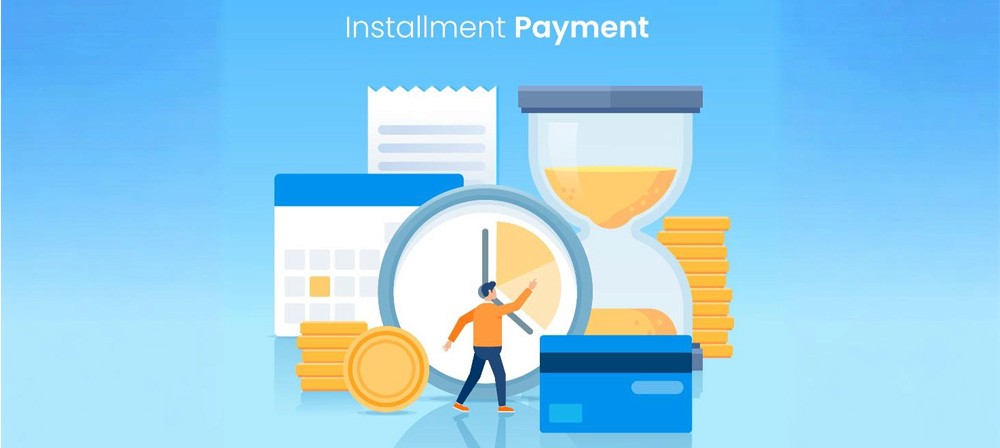



Loan

Published on:
Last Updated:

When a person needs money for a home, vehicle, education, medical expense or another major personal requirement, a retail loan can provide the funds without requiring the entire expense to be paid upfront.
But "retail loan" is not the name of one specific loan product. It is a broad category of borrowing designed primarily for individual customers. Home loans, vehicle loans, education loans, personal loans and certain loans against property or other assets can fall within retail lending.
Understanding retail loan meaning is therefore useful before choosing any particular loan. This guide explains the different types of retail loans, how they work, what affects their cost and what a borrower should check before applying.
What is a Retail Loan?
A retail loan is a loan offered to an individual for personal or household financial needs rather than primarily for business or commercial purposes.
The term covers several different loan products. For example, someone buying a house may consider a home loan, while someone purchasing a car may look at a vehicle loan. A person with a broader personal funding requirement may consider an unsecured personal loan instead.
Retail lending has been a part of banking in India for many years and includes products such as housing, vehicle, education and personal loans. RBI material also uses the term "retail loans" across different regulatory classifications, so the exact categories can vary depending on the context.
In simple terms, retail loans are loans designed around the borrowing needs of individual customers.
What Do Retail Loans Include?
Retail loan | What it is generally used for | Security |
|---|---|---|
Home loan | Buying, constructing or improving a home | Usually property |
Vehicle loan | Buying a car, two-wheeler or other eligible vehicle | Usually vehicle |
Personal loan | Flexible personal expenses | Usually unsecured |
Education loan | Higher education and related costs | Depends on loan and amount |
Gold loan | Raising funds against eligible gold | Gold |
Loan Against Property | Borrowing against an existing property | Property |
Consumer Durable Loan | Financing eligible appliances, electronics or household goods | Usually unsecured/structured by lender |
What Are the Different Types of Retail Loans?
Personal Loan
A personal loan provides funds for a broad range of personal expenses. Unlike a home or vehicle loan, the money is generally not linked to the purchase of one specific asset.
Many personal loans are unsecured, which means the borrower does not have to pledge an asset as collateral. Instead, the lender generally considers factors such as income, credit history and repayment capacity when assessing the application.
Best suited for: Someone with a specific personal funding requirement who does not want to pledge an asset.
Vehicle Loans
Vehicle loans help finance the purchase of cars, motorcycles and other eligible vehicles.
In a typical vehicle loan, the vehicle serves as security for the borrowing until the loan is repaid, although the exact terms depend on the lender.
Best suited for: Someone purchasing a vehicle who does not want to pay the entire purchase price upfront.
Home Loans
A home loan is used to finance the purchase or construction of a residential property. Depending on the lender and product, financing may also be available for certain home-related purposes.
The property generally serves as security for the loan, and repayment is usually spread over a longer period than many other retail loans.
Best suited for: Someone buying or constructing a home who needs to spread the cost over time.
Education Loans
Education loans are designed to help students and families manage eligible higher-education expenses.
Depending on the lender and scheme, the loan may cover expenses such as tuition fees, accommodation, books and other education-related costs. Some education loans may also have a repayment structure that takes the course period into account.
The eligibility, security requirements and repayment terms can vary significantly between education-loan products.
Best suited for: Students and families looking to finance eligible higher-education expenses.
Gold Loans
A gold loan allows a borrower to raise funds by pledging eligible gold as security.
Since the gold is used as collateral, the structure is different from an unsecured personal loan. The borrower should understand the repayment schedule, applicable charges and the lender's terms regarding the pledged gold before taking the loan.
Best suited for: Individuals who own eligible gold and want to raise funds against it.
Loan Against Property
A loan against property allows a borrower to raise funds by offering an eligible property as security.
Because the property provides collateral for the loan, the amount and terms can differ considerably from those of an unsecured personal loan. The borrower should consider the repayment obligation carefully because the pledged property is at risk if the loan is not repaid according to the agreement.
Best suited for: Borrowers with a substantial funding requirement who own eligible property and are comfortable using it as security.
Consumer Durable Loans
Consumer durable financing helps spread the cost of eligible purchases such as appliances, electronics and other household products.
Unlike a general personal loan, this type of financing is usually linked to a specific purchase. Depending on the lender or financing arrangement, the borrower may repay the purchase amount through instalments.
Best suited for: Someone making a planned household or electronics purchase who prefers to pay in instalments instead of the full amount upfront.
How Does a Retail Loan Work?
The exact process depends on the loan and lender, but most retail-loan applications follow a similar journey.
Identify your requirement
Start by deciding why you need the money and approximately how much you need.
For example, buying a house, financing education and covering a personal expense would each point towards different loan products.
Choose the right loan
Once you know what you need the money for, compare the loan products that fit that requirement.
Do not choose a loan simply because it offers a higher borrowing limit. The product should match your actual need and repayment capacity.
Check your eligibility
Lenders may look at factors such as your income, age, employment or business profile, existing financial obligations, credit history and other product-specific criteria.
Compare the complete cost
The interest rate is important, but it is not the only cost to consider.
Check the processing fee, applicable charges, repayment terms, prepayment or foreclosure conditions and other costs mentioned in the loan agreement or Key Facts Statement.
For regulated lenders, RBI's Key Facts Statement framework requires borrowers to receive important loan information, including the overall cost of the loan, in a clear and understandable format.
Submit the required information
Depending on the loan, the lender may ask for KYC documents, income details, bank statements, employment information and documents related to the property, vehicle or other security.
Credit assessment and approval
The lender reviews the application and assesses whether the borrower meets its eligibility and underwriting criteria.
If approved, the lender provides the applicable loan amount, interest rate, tenure and other terms.
Disbursal
After the required formalities are completed, the approved loan amount is disbursed according to the loan agreement.
The timing and method of disbursal depend on the product and lender.
Repayment
The borrower then repays the loan according to the agreed schedule.
For many term loans, repayment is made through monthly instalments or EMIs. The amount and duration depend on the loan amount, interest rate and tenure.
Who Can Get a Retail Loan?
There is no single eligibility rule for every retail loan.
The requirements depend on the product, lender and the borrower's financial profile.
Some common factors include:
Age: Indian resident, aged 22 to 55 years
Income: Minimum net monthly income of ₹25,000
Credit Score: Has a credit score of 650 or above
Employment: Both salaried & self-employed applicants eligible
Documents Needed for a Retail Loan
The documents required depend on the lender and type of loan.
You may be asked to provide:
PAN card (For Identity and Credit Verification)
ID proof (Aadhaar Card, Passport or Driving Licence)
Address proof (Aadhaar, Passport or Driving Licence)
Selfie via app (for KYC)
Not every borrower will need every document on this list. The lender will provide the specific documentation requirements for the loan being applied for.
How Is a Freo Personal Loan Related to Retail Lending?
Retail lending includes several different products, and a personal loan is one of them.
Freo offers app-based personal credit for individual financial needs. Eligible customers can get access to credit of up to ₹5 lakh without collateral or a guarantor. The current Freo personal-loan page states that customers can use only the amount they need from their approved limit, with interest charged on the amount used. Repayment options currently range from 3 to 36 months on Freo's main credit page.
This can be useful when the borrower has a personal expense but does not need a loan tied to a particular asset such as a house or vehicle.
The important point is to choose borrowing based on the requirement rather than simply choosing the product with the highest available limit.
Conclusion
Retail loans cover a wide range of borrowing options designed around individual financial needs. A home loan, vehicle loan, education loan, personal loan and gold loan may all fall within retail lending, but they differ in purpose, security, cost, eligibility and repayment structure.
For a borrower, the important question is therefore not simply whether a retail loan is available. It is whether the specific loan product matches the requirement and can be repaid comfortably.
Understanding the purpose of the loan, comparing the total cost, checking eligibility and reading the repayment terms can help a borrower make a more informed decision.
Empower Your Personal Aspirations
Don't wait years to save up for what you need today. Whether it's a new gadget, a home upgrade, or an unplanned expense, Freo’s digital credit line offers the flexibility of a retail loan with the speed of a modern app. Get instant access to funds and repay on your terms.
FAQs
What is a retail loan?
A retail loan is borrowing offered to an individual for personal or household financial requirements. Home, vehicle, education and personal loans are common examples.
What are retail loans generally granted for?
Retail loans are generally offered for individual needs such as buying a home or vehicle, funding education, meeting certain personal expenses or raising funds against eligible assets.
What are the types of retail loans?
Common types include home loans, vehicle loans, personal loans, education loans, gold loans, loans against property and consumer-durable financing.
Is a personal loan a retail loan?
Yes. A personal loan is one type of retail loan. Retail lending is the broader category covering several loan products offered to individual borrowers.
Are retail loans secured or unsecured?
Both are possible. Home, vehicle and gold loans are generally secured, while many personal loans are unsecured. The exact structure depends on the product.
How is a retail loan different from a business loan?
A retail loan is primarily designed for an individual's personal or household requirements. A business loan is intended for business-related purposes such as working capital, equipment or expansion.
What affects the interest rate on a retail loan?
The rate can depend on the type of loan, lender, borrower's credit profile, income, repayment capacity, security and prevailing lending conditions.
Can a retail loan be repaid early?
Some retail loans allow part-prepayment or foreclosure, but applicable conditions and charges vary by lender and product. The borrower should check the agreement before taking the loan.
What documents are needed for a retail loan?
Requirements vary, but lenders may ask for KYC, income proof, bank statements and documents related to the asset or purpose being financed. Which retail loan is right for me?
Which retail loan is right for me?
The appropriate loan depends on what the borrower needs the money for, how much is required, the available repayment capacity, the total borrowing cost and whether the borrower is comfortable providing collateral.
Naina Rajgopalan
Naina Rajgopalan has a thing for numbers and a deep fascination to learn about all things finance. She's been money-wise from a young age and has always shared her knowledge and tips with those around her. Being a part of the content team at Freo, a neobank that offers flexible and customised financial products, along with benefits such as insurance on balance, safe & secure banking, and so on, Naina stays updated with the latest of what happens in the banking and fintech industries. She has taken upon herself to share her knowledge with readers across all walks of life to help them manage their finances and budgets better, so they can make better decisions while spending, borrowing, investing and saving.