


Loan

Published on:
Last Updated:
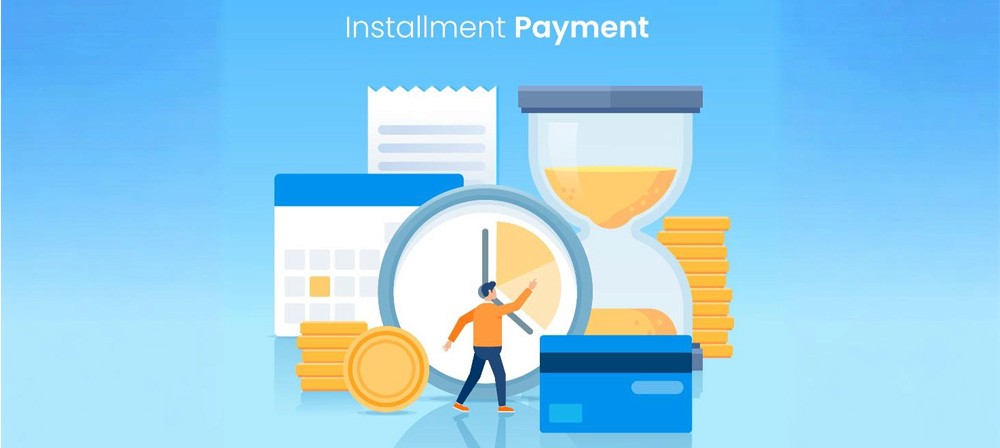
If you have ever taken a personal loan, home loan or car loan, you have probably come across the term EMI. You may also see EMI options while buying a phone, laptop or other expensive items.
But what exactly does EMI mean, and how much are you actually paying through it?
EMI stands for Equated Monthly Instalment. It is the amount you repay to a lender at regular intervals, usually every month, until your loan is paid off.
An EMI generally includes two parts:
Principal: The amount you originally borrowed
Interest: The cost charged by the lender for borrowing the money
Your EMI mainly depends on the loan amount, interest rate and repayment tenure.
Understanding these three factors can help you decide whether a loan fits your monthly budget and how much you will actually pay over time.
What is an EMI (Equated Monthly Installment)?
EMI, or Equated Monthly Instalment, is the scheduled amount you pay towards your loan every month.
For a standard fixed-rate loan, the EMI usually stays the same throughout the agreed tenure. However, the EMI or repayment period can change in certain situations, such as when you have a floating-rate loan and the applicable interest rate changes.
At the start of an amortising loan, a larger part of the EMI generally goes towards interest. As the outstanding principal falls, more of the EMI goes towards repaying the principal.
This gradual change is known as loan amortisation.
For example: if you take a personal loan for three years, you will normally make 36 monthly repayments. Each repayment contributes towards clearing both the interest and the borrowed amount.
How Does EMI Work?
Once your loan is approved, the repayment process is fairly straightforward:
The loan is disbursed: The lender transfers the approved amount to you or the relevant party, depending on the loan type.
Loan terms are set: Your loan amount, interest rate and tenure are agreed upon.
Your EMI is calculated: The lender determines your scheduled monthly repayment.
You make regular payments: You pay the EMI on the agreed due date, often through an automatic payment instruction.
Each payment reduces your loan balance: Part of the EMI goes towards interest and the rest towards the principal.
The loan is closed: Once all scheduled payments and applicable dues are cleared, the outstanding balance becomes zero.
With a floating-rate personal loan, a change in the applicable benchmark can affect your EMI, tenure or both, depending on the loan terms. RBI guidelines require regulated lenders to communicate the impact of such interest-rate resets to borrowers for applicable floating-rate EMI-based personal loans.
How Is EMI Calculated?
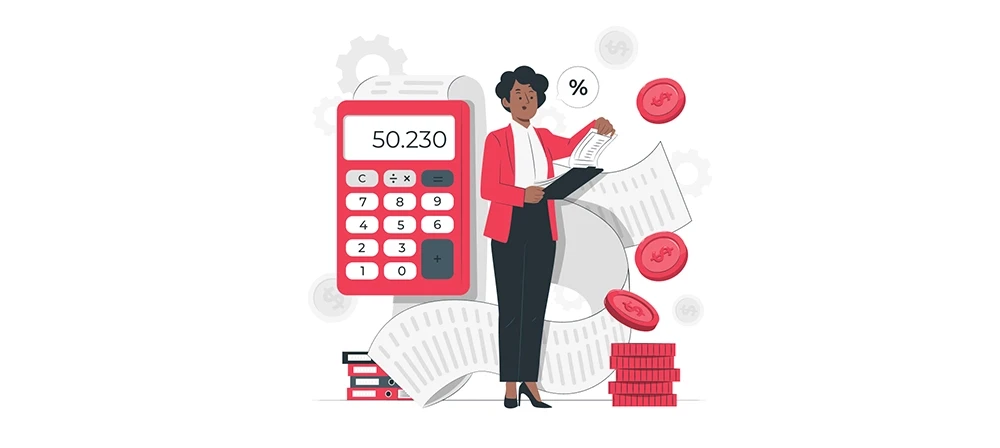
For a standard reducing-balance loan with a fixed interest rate and monthly repayments, the EMI formula is:
EMI = P × R × (1 + R)ⁿ ÷ [(1 + R)ⁿ − 1]
Where:
P = Principal loan amount
R = Monthly interest rate in decimal form
N = Total number of monthly instalments
EMI calculation example: Suppose you borrow ₹10 lakh at an annual interest rate of 8% for 10 years, or 120 months.
Your monthly interest rate would be: 8 ÷ 12 ÷ 100 = 0.00667
Using the EMI formula, the monthly EMI would be approximately ₹12,133.
Over 120 months, you would repay approximately ₹14.56 lakh, including around ₹4.56 lakh in interest.
The actual amount can vary based on the lender's interest calculation method, repayment schedule and other applicable loan terms.
Reducing-balance method
With the reducing-balance method, interest is calculated on the outstanding principal, rather than the original loan amount throughout the tenure.
As you repay the principal, the outstanding balance decreases. As a result, the interest component generally falls over time while the principal component increases.
This is the basis of the standard EMI calculation used for many amortising loans.
Flat-rate method
With a flat-rate method, interest is calculated on the original principal for the agreed loan period.
A simplified formula is:
EMI = [Principal + (Principal × Annual Interest Rate × Tenure)] ÷ Total Number of Months
For example, on a ₹10 lakh loan at 8% per year for 10 years:
Principal = ₹10,00,000
Interest = ₹10,00,000 × 8% × 10 = ₹8,00,000
Total repayment = ₹18,00,000
Number of months = 120
EMI = ₹15,000
The example shows why you should not compare loans based only on the advertised interest rate. Look at how the interest is calculated, the APR where applicable, processing fees and total repayment amount.
What Factors Affect Your EMI?
Your EMI is mainly influenced by the following factors:
Loan amount
The more you borrow, the higher your EMI is likely to be, assuming the interest rate and tenure remain unchanged.
Interest rate
A higher interest rate generally means a higher EMI and a higher overall borrowing cost.
When comparing loans, don't look at the interest rate alone. Also check the APR, fees and total amount repayable.
Loan tenure
A longer tenure usually means a lower monthly EMI because the repayment is spread across more months.
However, you may end up paying more interest overall.
A shorter tenure generally means higher monthly payments but can reduce the total interest you pay.
Fixed or floating interest rate
With a fixed-rate loan, the interest rate generally remains unchanged for the agreed period, subject to the loan terms.
With a floating-rate loan, the rate can change when the relevant benchmark or reference rate changes. This can affect your EMI, tenure or both.
For applicable floating-rate EMI-based personal loans, RBI requires regulated lenders to communicate the impact of interest-rate resets and provide borrowers with relevant options.
Prepayment
If your lender allows prepayment, paying part of the outstanding loan early can reduce your principal.
Depending on the lender's terms, this may help you:
Reduce your EMI
Shorten your remaining tenure
Reduce the total interest paid
Always check the applicable prepayment terms and charges before making a decision.
What Is No Cost EMI?
No Cost EMI is a financing option commonly offered when you buy products through retailers or e-commerce platforms.
The name can make it sound like you are getting completely interest-free financing. However, the cost of the financing may be adjusted through discounts, merchant arrangements or the way the product price is structured.
Before choosing a No Cost EMI option, compare:
The total price under the EMI offer
The upfront price
Processing or other charges
Discounts available for upfront payment
The total amount you will actually pay
This gives you a clearer picture of whether the offer is genuinely cheaper.
What Is an EMI Calculator and Why Use One?
An EMI calculator is an online tool that estimates your monthly loan repayment using the loan amount, interest rate and tenure.
It can help you:
Know your expected monthly EMI
Compare different loan tenures
See how interest rates affect your repayment
Estimate the total interest payable
Check whether the EMI fits your budget
Compare different borrowing scenarios
The calculator gives you an estimate. Your actual repayment can vary depending on the lender's final rate, loan terms, fees and repayment structure.
Final Takeaway
EMI is simply the regular payment you make to repay a loan. It usually includes both the principal and interest, with the split changing over the course of an amortising loan.
Your EMI mainly depends on the loan amount, interest rate and tenure. A longer tenure can make your monthly payment smaller, but it may increase the total interest you pay. A shorter tenure can mean higher monthly payments but lower overall interest.
Before taking a loan, calculate your EMI, check the total repayment amount and understand the applicable fees and terms.
Most importantly, choose an EMI that fits comfortably into your budget rather than choosing a loan only because it offers a low monthly payment.
Calculate Your Personal Loan EMI With Freo
Check Your Personal Loan Options With Freo
FAQs
What is EMI in simple words?
EMI is the amount you pay to a lender at regular intervals, usually every month, to repay a loan. It generally includes both the principal and interest.
How is EMI calculated?
EMI is mainly calculated using three inputs: the loan amount, interest rate and repayment tenure. For a standard reducing-balance loan, lenders use an EMI formula based on these values.
What is the difference between EMI and a loan?
A loan is the amount you borrow from a lender. EMI is the regular payment you make to repay that loan, along with the applicable interest, over the agreed tenure.
Is EMI good or bad for your finances?
EMI itself is neither good nor bad. It is simply a way of repaying borrowed money over time. It can make repayment easier to manage, but you generally pay interest and other applicable charges in addition to the amount borrowed.
The key is to make sure the repayment fits your budget and that you make payments on time.
Is GST applicable on loan EMIs?
GST is generally not charged on the repayment of the loan principal or on loan interest. However, GST may apply to processing fees and certain other services or charges related to the loan.
What happens if I miss an EMI payment?
A missed EMI can result in late or penal charges and may affect your credit history, depending on the circumstances and lender's reporting practices.
If you think you may have difficulty making a payment, contact your lender as soon as possible rather than ignoring the missed payment.
Can my EMI change during the loan tenure?
Yes. An EMI can change in certain situations, such as when a floating interest rate is reset, when you make a prepayment, or when the loan has a repayment structure where instalments change over time.
For applicable floating-rate EMI-based personal loans, RBI requires lenders to communicate the impact of interest-rate changes and provide relevant options to borrowers.
What's the difference between flat-rate and reducing-balance EMI?
With a flat-rate method, interest is calculated on the original principal for the agreed tenure.
With a reducing-balance method, interest is calculated on the outstanding principal, which falls as you repay the loan.
Because the interest calculation is different, two loans with the same advertised rate can have different overall costs.
Does prepaying a loan reduce my EMI?
It can. A part-prepayment reduces your outstanding principal. Depending on your lender's terms, you may be able to reduce your EMI, shorten your remaining tenure, or choose a combination of the two.
Check your loan agreement for applicable prepayment conditions and charges.
What is a good EMI-to-income ratio?
There is no single EMI-to-income ratio that works for everyone. Your ideal repayment level depends on your income, existing EMIs, essential expenses and savings.
Instead of following a fixed percentage blindly, make sure your total debt repayments leave enough room for your regular expenses, savings and unexpected costs.
What is the difference between EMI and interest?
EMI is the total scheduled repayment you make each month.
Interest is the cost of borrowing and is one component of that EMI. The rest generally goes towards repaying the principal.
Naina Rajgopalan
Naina Rajgopalan has a thing for numbers and a deep fascination to learn about all things finance. She's been money-wise from a young age and has always shared her knowledge and tips with those around her. Being a part of the content team at Freo, a neobank that offers flexible and customised financial products, along with benefits such as insurance on balance, safe & secure banking, and so on, Naina stays updated with the latest of what happens in the banking and fintech industries. She has taken upon herself to share her knowledge with readers across all walks of life to help them manage their finances and budgets better, so they can make better decisions while spending, borrowing, investing and saving.